
Krayden offers a comprehensive range of soldering materials for electronics manufacturing, PCB assembly, and semiconductor packaging. Our portfolio includes solder pastes for SMT reflow, solder flux for wave and selective soldering, solder elements such as solder wires and bars, solder spheres for BGA and semiconductor interconnections, and tape and reel solutions for automated placement. With a selection of lead-free and tin-lead alloys, Krayden helps manufacturers choose suitable soldering solutions for their application, process requirements, and production needs.

Soldering Materials
Lead-Free & Tin-Lead Soldering Solutions
Soldering Materials
Frequently asked questions
Frequently asked questions about Soldering Materials
How does the soldering work?
Soldering joins metal surfaces by melting a filler alloy without melting the base metals. The molten solder wets the surfaces and forms metallurgical bonds during soldering, creating an electrical and mechanical connection upon solidification. Suitable flux and temperature control help achieve reliable solder joints.
What is the difference between lead-free and tin-lead solder?
Tin-lead (SnPb) solders, such as Sn63Pb37, generally melt at lower temperatures than common lead-free SAC alloys. Lead-free alternatives include SnAgCu (SAC), SnCu and SnBi, each with different melting characteristics and mechanical properties. Selection depends on regulatory requirements, processing temperatures and application reliability needs.
What is a reflow profile?
A reflow profile is a carefully controlled temperature curve used in the surface mount technology (SMT) soldering process. It outlines the heating and cooling stages that a printed circuit board (PCB) assembly undergoes to achieve optimal solder joint formation.
Defining a reflow profile involves determining the optimal temperature, ramp rates, and soak times for each stage based on the solder paste, component sensitivity, and desired joint quality. Factors such as board design, component placement, and oven capabilities also influence the profile.
What is solder flux and why is it important?
Solder flux removes surface oxides, promotes solder wetting and helps prevent re-oxidation during heating. Common options include no-clean and water-soluble fluxes, with different cleaning requirements. Selection depends on the soldering process, alloy, surface finish, residue limits and subsequent coating requirements.
What is solder paste and how is it selected?
Solder paste combines fine solder powder with flux for stencil printing or dispensing onto PCB pads. Important selection factors include alloy composition, powder particle size, printability, stencil life, reflow performance and residue requirements. Matching these characteristics to the assembly helps achieve consistent solder deposition and joint formation.
What are solder wires, bars and preforms used for?
Solder wires and bars support different assembly processes. Solder wire is commonly used for hand soldering and rework, while solder bars supply molten solder for wave and dip soldering. Solder preforms provide a controlled solder volume for specific joints and applications requiring precise material placement.
What are the differences between reflow, wave and selective soldering?
Reflow soldering uses controlled heating to melt solder deposits, commonly in SMT assembly. Wave soldering passes PCB assemblies over molten solder, typically for through-hole connections. Selective soldering targets individual joints or areas. Each process requires suitable solder alloys, flux chemistry and temperature control.
How do I select solder spheres for BGA and CSP applications?
Solder spheres provide electrical interconnections in ball grid array (BGA), chip-scale package (CSP) and other semiconductor assemblies. Key selection factors include alloy composition, sphere diameter, dimensional tolerance, package pitch, reflow conditions and reliability requirements. Sphere specifications should match the package design and assembly process.
Why use tape-and-reel packaging for solder spheres and preforms?
Tape-and-reel packaging supports automated feeding and placement of solder spheres and preforms in high-volume assembly. It helps improve handling consistency and placement efficiency. Important considerations include cavity dimensions, reel size, feeder compatibility, packaging quantity and the requirements of the automated placement equipment.
What is a reflow soldering profile?
A reflow profile defines the temperature conditions during soldering, including preheat, optional soaking, peak temperature, time above liquidus and cooling. The profile should follow solder paste manufacturer recommendations while considering PCB thermal mass, component temperature limits, wetting performance and potential soldering defects.
What factors affect solder joint quality and reliability?
Solder joint quality depends on alloy selection, surface cleanliness, flux chemistry, solder volume and thermal processing conditions. Poor control can contribute to defects such as insufficient wetting, solder bridging, solder balling and voiding. Proper material selection, process optimization and reliability testing help improve assembly performance.
Learn more
Soldering Materials at a Glance
Understand the main product categories in one view
This visual section helps visitors quickly connect common electronics assembly needs with the right soldering material format.
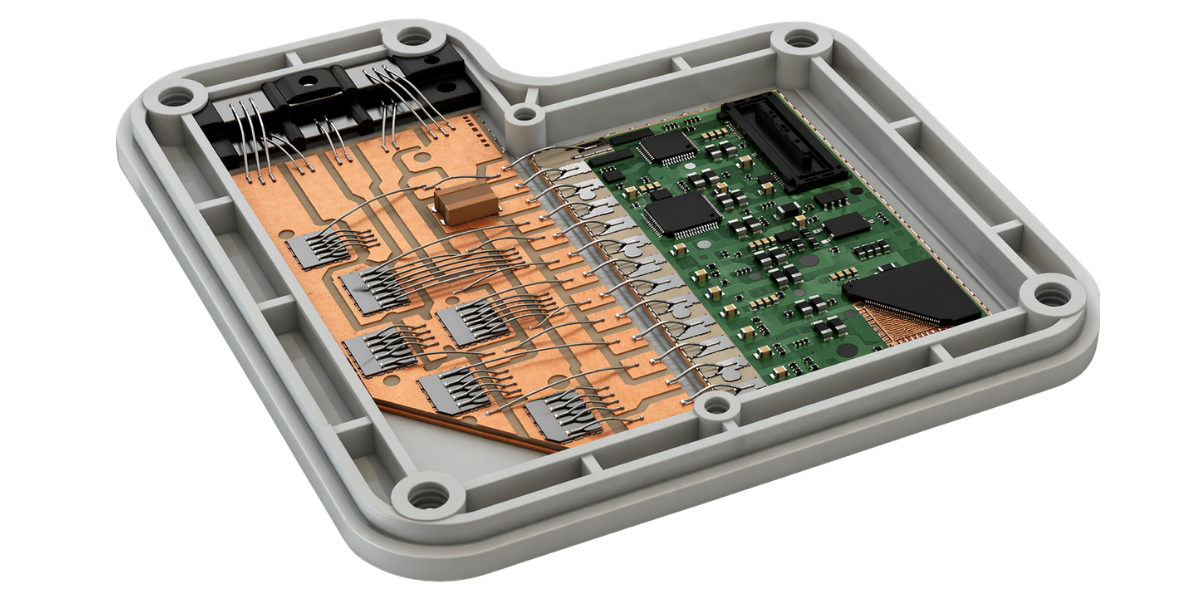
Source: MacDermid Alpha Connect Solutions (www.macdermidalpha.com)
↗ Solder Pastes For stencil printing, dispensing and SMT reflow processes. ↗ Solder Flux For oxide removal, wetting improvement and wave or selective soldering support. ↗ Solder Elements Includes solder wire, solder bar and solder preforms for hand, wave and precision joining. ↗ Solder Spheres For BGA, CSP, semiconductor packaging and controlled interconnect size. ↗ Tape & Reel For automated feeding and placement of solder spheres and preforms.
Application Guide
Not sure where to begin?
Every soldering application has different process, material and reliability requirements. Start with these three questions to narrow down suitable options.
Find the right solution for your application
Share your assembly process and technical requirements with Krayden's application team for guidance on suitable soldering materials.
Contact Our Application Team →What soldering process are you using?
SMT printing and reflow, paste dispensing or jetting, wave or selective soldering, hand or spot soldering, rework, BGA ball attach or reballing, or automated sphere and preform placement?
What does your application require?
Solder form (paste, wire, bar, sphere or preform), alloy and melting range, joint geometry, powder or sphere size, flux classification and cleaning requirements?
What are your process conditions?
Reflow or wave profile, air or nitrogen atmosphere, PCB surface finish, equipment limits, residue or coating compatibility, storage and reliability requirements?
SOLDERING APPLICATIONS
Explore by Soldering Process
Choose the manufacturing process first, then explore suitable soldering material categories.
01
SMT Printing & Reflow
Stencil-printed solder paste deposits are heated through a controlled reflow profile to join surface-mount components.
02
Wave & Selective Soldering
Through-hole joints are formed with molten solder, using flux and a process profile matched to the assembly.
03
Hand Soldering & Rework
Flux-cored solder wire supports localized soldering of connectors, leads, wires and individual repair joints.
04
Solder Paste Dispensing & Jetting
Controlled solder paste deposition is used for small components, selective solder deposits and hard-to-print locations.
05
BGA Ball Attach & Reballing
Solder spheres form interconnections in BGA and CSP packaging; ball size, alloy, placement and reflow must match the design.
06
Precision Preform Placement
Preforms deliver a defined solder volume, while tape-and-reel packaging supports compatible automated placement systems.
MATERIAL SELECTION
Selecting the Right Soldering Material
Melting behavior is one important factor. Flux chemistry, solder form and process compatibility also influence material selection.
Solder Alloy Composition Families
Compare common alloy families by their typical applications and selection considerations.
| Composition family | Typical application and selection focus |
|---|---|
| Sn-Ag-Cu (SAC) Tin-Silver-Copper | Common lead-free alloy for SMT reflow and BGA interconnects. Silver content and reliability performance vary by grade. |
| Sn-Cu Tin-Copper | Lead-free solder wire and wave/selective soldering. Consider micro-alloy additives, wetting and copper dissolution. |
| Sn-Bi Tin-Bismuth | Low-temperature soldering for heat-sensitive assemblies. Evaluate joint toughness and impact requirements. |
| Sn-Pb Tin-Lead | Conventional electronics soldering and permitted rework. Check lead restrictions and application exemptions. |
| Sn-Ag Tin-Silver | Selected preforms and specialty interconnects. Melting behavior depends on the formulation. |
| Sn-Sb Tin-Antimony | Higher-temperature power-electronics joining. Confirm process heat limits and component compatibility. |
| Modified SAC Sn-Ag-Cu + additives | High-reliability applications where thermal cycling and mechanical loading are important; performance is grade-specific. |
| Indium-based In-Sn / In-Ag | Specialty low-temperature joining and selected sealing applications. Evaluate compatibility, availability and cost. |
Selection note: An alloy family identifies its main elements, not a fixed recipe or melting temperature. Confirm exact composition, solidus/liquidus, material form and application suitability from the selected product TDS. Availability varies by product.
Four Selection Essentials
1
Alloy and melting range Check solidus/liquidus against the assembly thermal window and lead-content requirements.
2
Flux and residue Match flux activity, cleaning method and any downstream coating or electrical-insulation needs.
3
Solder form and geometry Specify paste powder size, wire diameter, bar alloy, sphere tolerance or preform dimensions.
4
Process and reliability Consider equipment, atmosphere, surface finish, joint loading, thermal cycling and storage.
TECHNICAL RESOURCES
Continue Your Material Selection
Use Krayden category guides to compare material options and narrow down your application requirements.
01 / GUIDE
Solder Paste Selection Guide
Compare SMT and dispensing materials, powder sizes, alloy options and reflow considerations.
Explore guide → 02 / GUIDE
Solder Flux Selection Guide
Review flux chemistry, cleaning expectations and wave or selective-soldering applications.
Explore guide → 03 / GUIDE
Solder Sphere Selection Guide
Explore sphere alloys, diameters and packaging considerations for semiconductor interconnects.
Explore guide →


